
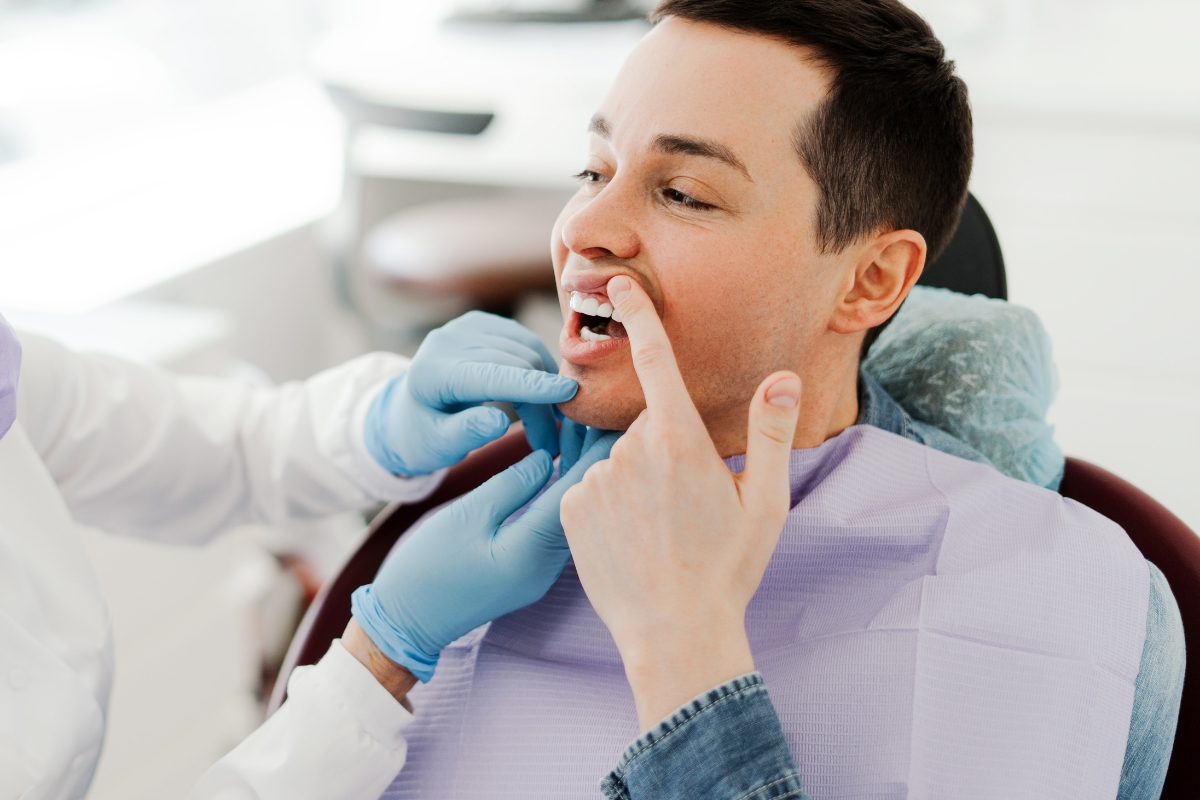
You brush twice a day, floss regularly, and try to keep your teeth healthy. But what if your gums are telling a different story? Bleeding while brushing, persistent bad breath, or tender gums may signal a problem that regular brushing can’t fix.
At West Asheville Family Dentistry, patients can discuss changes in their gum health and learn whether they need professional periodontal treatment.
A deep dental cleaning is not simply a more thorough version of your regular cleaning. It treats certain forms of gum disease. Recognizing the warning signs can help Asheville residents seek care before periodontal damage progresses.
What Is a Deep Dental Cleaning?
A deep dental cleaning, also called scaling and root planing, removes plaque, tartar, and bacterial deposits from tooth surfaces above and below the gumline.
Unlike a routine dental cleaning, which primarily supports preventive care, scaling and root planing treats periodontal disease when clinically indicated.
The procedure generally involves two steps:
- Scaling: Removing hardened deposits and bacterial buildup from tooth surfaces, including areas beneath the gums.
- Root planing: Smoothing affected root surfaces to help reduce bacterial retention and support gum healing.
The dentist may recommend treatment in specific areas or throughout multiple sections of your mouth, depending on the examination findings.
7 Warning Signs You May Need a Deep Dental Cleaning
1. Your Gums Bleed When You Brush or Floss
Occasional bleeding may result from brushing too aggressively or flossing irritation. However, repeated bleeding is not something to dismiss.
Healthy gums generally should not bleed during gentle daily cleaning.
Persistent bleeding can indicate gingivitis or more advanced periodontal inflammation. A dental exam helps determine the cause and whether you need periodontal treatment.
2. Your Breath Smells Bad Even After Brushing
Morning breath is common, but persistent bad breath may suggest an underlying oral health concern.
Bacteria can accumulate in periodontal pockets and release compounds that cause unpleasant odors.
If brushing, flossing, and tongue cleaning do not improve the problem, schedule a dental evaluation. Gum disease is one possible cause, although dry mouth, cavities, and other conditions can also contribute.
3. Your Gums Look Red, Swollen, or Tender
Healthy gum tissue is generally firm and does not appear persistently inflamed.
Redness, swelling, or tenderness may indicate that bacteria are irritating the gums.
You might notice discomfort when eating crunchy foods or brushing near certain teeth.
These symptoms do not automatically mean you need scaling and root planing. However, they are important reasons to have your gum health assessed.
4. Your Teeth Appear Longer Than Before
Have you noticed that more of your teeth are visible when you smile?
This change may result from gum recession, which occurs when gum tissue moves away from its original position.
Gum recession can expose sensitive root surfaces and make teeth appear longer.
Periodontal disease is one possible cause, although aggressive brushing, tooth positioning, and other factors may contribute.
Deep cleaning may help manage associated periodontal inflammation, but it does not restore lost gum tissue.
5. You Notice Gaps Developing Between Your Teeth
Changes in tooth spacing may indicate loss of periodontal support.
As gum disease progresses, inflammation can damage the tissues and bone supporting your teeth.
You may notice new spaces, food trapping between teeth, or subtle changes in your bite.
These changes deserve professional attention because they may signal an advanced problem.
6. Your Teeth Feel Sensitive Near the Gumline
Sensitivity to cold drinks, hot foods, or brushing may develop when root surfaces become exposed.
Gum recession can make these surfaces more vulnerable to temperature changes.
However, sensitivity can also result from cavities, enamel wear, or cracked teeth.
A dentist can identify the source before recommending treatment.
7. Your Teeth Feel Loose, or Your Bite Has Changed
Adult teeth should not become noticeably mobile without an underlying reason.
Periodontal disease can damage the supporting bone and tissues, causing teeth to move.
If a tooth feels loose or your bite suddenly changes, arrange a dental evaluation promptly.
A deep dental cleaning may be part of treatment, but advanced periodontal disease can require additional care.
How Does a Dentist Determine Whether You Need Deep Cleaning?
A recommendation should be based on clinical findings rather than symptoms alone.
During a periodontal evaluation, your dentist may:
- Measure the spaces between your teeth and gums using a periodontal probe.
- Check for bleeding, swelling, and gum recession.
- Review dental X-rays for signs of supporting bone loss.
- Evaluate plaque and tartar deposits.
- Assess tooth mobility and other periodontal concerns.
At West Asheville Family Dentistry, we can discuss these findings to help patients understand the difference between routine preventive cleaning and treatment for gum disease.
Can You Avoid Deep Cleaning by Improving Your Oral Hygiene?
Daily brushing and flossing are essential, but they cannot remove hardened tartar beneath the gumline.
Once tartar develops, professional instruments are needed to remove it.
Improving your home routine can help control plaque and support treatment results. However, it does not reverse existing periodontal bone loss.
After treatment, the dentist may recommend periodontal maintenance appointments to help manage the condition over time.
What Happens if You Delay Periodontal Treatment?
Untreated periodontitis can progressively damage the structures supporting your teeth.
Possible consequences include gum recession, deeper periodontal pockets, tooth mobility, and eventual tooth loss.
Not everyone with bleeding gums has periodontitis. Early gingivitis can often improve with professional care and effective home hygiene.
The important distinction is that periodontal disease should be diagnosed before deciding which cleaning procedure is appropriate.
Take the Next Step Toward Healthier Gums
Bleeding gums, persistent bad breath, and gum recession should not become part of your everyday routine.
If you are experiencing these symptoms, West Asheville Family Dentistry can help you explore the appropriate next steps. Call (828) 255-8676 to schedule a dental evaluation and discuss your gum health.
Frequently Asked Questions
Is deep dental cleaning painful?
Local anesthesia can help keep you comfortable during scaling and root planing. You may experience temporary tenderness or sensitivity afterward.
How long does a deep dental cleaning take?
Treatment time depends on how many teeth are affected and how severe the deposits are. Some patients require more than one appointment.
Can gum disease return after deep cleaning?
Yes. Periodontitis is a chronic condition that requires ongoing plaque control and professional periodontal maintenance.
How do I know whether my bleeding gums are serious?
Bleeding that continues despite gentle, consistent oral hygiene warrants an examination. A dentist can check for inflammation and periodontal pockets.
Where can I get my gums evaluated in West Asheville?
Patients in West Asheville and nearby communities can schedule a periodontal evaluation with a local dental practice to determine their treatment needs.
Does dental insurance cover deep cleaning in Asheville?
Coverage varies by plan, periodontal diagnosis, and treatment requirements. Ask your dental office to review your benefits and estimated costs.