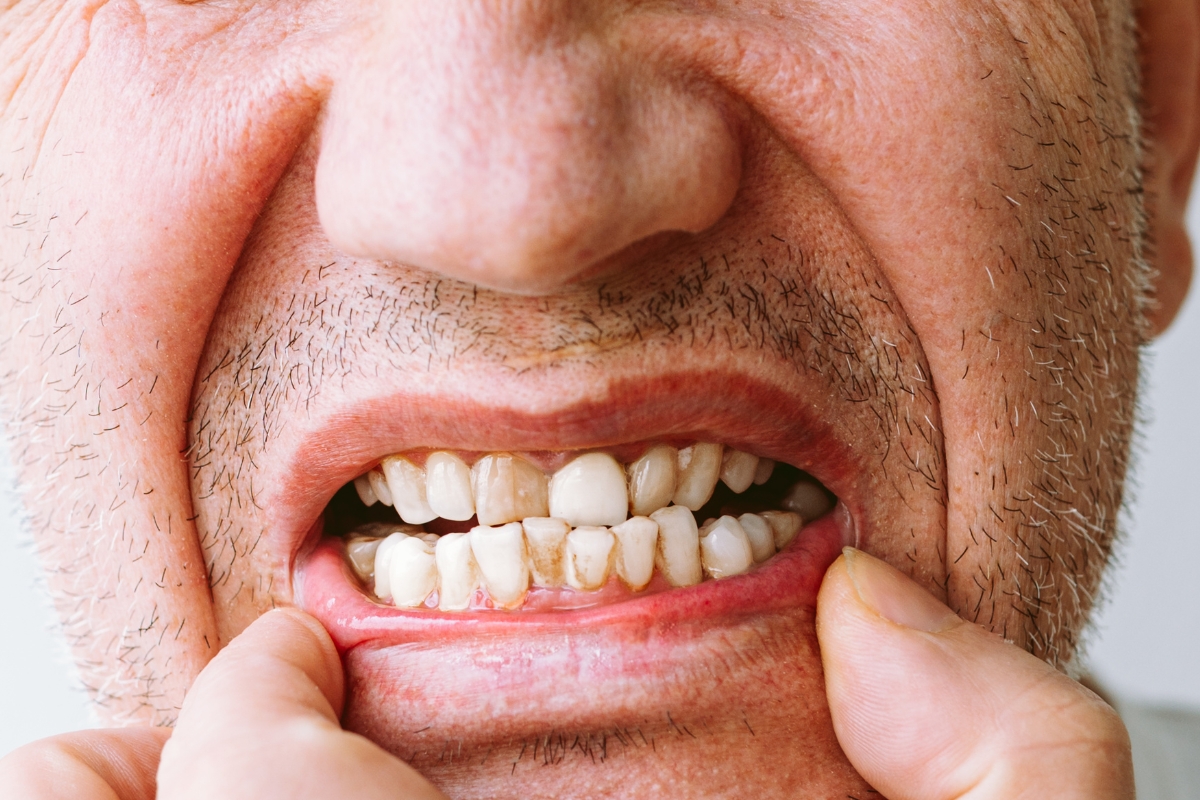

You notice a small crack in your tooth while brushing or looking in the mirror. There is no pain, sensitivity, or difficulty chewing, so you assume it isn’t serious. But what if that tiny crack gradually becomes a much larger dental problem?
Not every cracked tooth requires immediate treatment. However, some fractures can extend deeper into the tooth and eventually affect the nerves or surrounding tissues.
At West Asheville Family Dentistry, we help patients distinguish harmless enamel lines from fractures that may require restorative treatment.
Why Can a Cracked Tooth Hurt?
Your teeth contain several layers, including enamel, dentin, and pulp. Enamel is the hard outer layer that protects the tooth. Because enamel lacks nerves, a crack limited to this surface may not cause discomfort.
However, deeper cracks can extend into dentin or affect the pulp, where nerves and blood vessels are located.
Some fractures cause discomfort only when you bite into certain foods. Others cause sensitivity when you drink cold beverages. A cracked tooth may also remain painless for an extended period.
This is why the absence of pain does not necessarily mean that the tooth is structurally healthy.
What Causes Teeth to Crack?
Teeth can develop fractures from sudden injuries or repeated pressure over time.
Chewing Hard Foods
Biting ice, hard candy, or an unexpected hard object can place considerable pressure on a tooth.
This may damage the enamel or fracture an existing restoration.
Grinding or Clenching Your Teeth
Teeth grinding, also called bruxism, can place repeated stress on the teeth. Some people grind their teeth while sleeping and don’t realize the habit.
Over time, this pressure can contribute to enamel wear and fractures.
Large Dental Fillings
Teeth with extensive fillings may have less natural structure remaining. Depending on the amount of damage, the tooth may become more vulnerable to fractures during chewing.
Dental Injuries
Falls, sports injuries, and accidental impacts can damage teeth.
For children and adults participating in contact sports around Asheville, wearing a properly fitted mouthguard can reduce the risk of dental injuries.
Are All Cracks in Teeth Serious?
No. Dentists distinguish fracture types by location and depth.
Craze Lines
Craze lines are tiny cracks limited to the outer enamel.
They are common in adults and generally do not require restorative treatment.
Fractured Cusps
A cusp is one of a tooth’s raised chewing surfaces.
When a cusp breaks, the tooth may require a filling, crown, or another restoration.
Cracked Teeth
A cracked tooth may have a fracture extending from the chewing surface toward the root.
Some cracked teeth can be preserved with restorative treatment, while others require additional procedures.
Split Teeth
A split tooth has a fracture that separates it into distinct segments.
Depending on the extent of the damage, extraction may become necessary.
Identifying the type of crack is important because treatment options vary considerably.
How Can Dental Crowns Protect Cracked Teeth?
A dental crown covers the visible portion of a tooth.
It can restore the tooth’s shape, improve chewing function, and help protect weakened structures. For certain fractures, a crown reduces movement during biting.
However, a crown cannot repair every crack.
Fractures extending deep below the gumline or into the root may make the tooth difficult to preserve. The dentist must evaluate whether sufficient healthy tooth structure remains to support a restoration.
What Happens During Dental Crown Treatment?
At West Asheville Family Dentistry, restorative treatment begins with an examination of the affected tooth. Dr. Bernier can assess the damage and explain whether you need a crown, filling, root canal procedure, or another treatment.
If a crown is recommended, we prepare the tooth to accommodate the restoration. An impression or digital scan is then used to help create the crown.
A temporary crown may protect the tooth while the permanent restoration is being fabricated. Once the final crown is ready, your dentist checks its fit, appearance, and bite alignment before securing it. The treatment process may vary depending on the tooth’s condition.
What Happens If You Ignore a Cracked Tooth?
Some minor enamel cracks remain stable for years. However, deeper structural cracks can worsen under repeated chewing pressure.
Possible complications include increased sensitivity, pain when biting, inflammation of the pulp, or infection. A fracture that extends below the gumline may eventually make the tooth impossible to restore.
Delaying evaluation can limit your treatment options. If you notice a new crack, avoid chewing hard foods on the affected side until the tooth has been examined.
Can a Cracked Tooth Heal Naturally?
No, unlike broken bones, fractured enamel and dentin cannot regenerate to reconnect the separated tooth structure. Minor enamel lines may not require treatment, but deeper cracks need professional evaluation.
Your dentist may use visual examination, bite testing, periodontal probing, and dental imaging to assess the tooth. Not all fractures appear on an X-ray. This makes the clinical examination and description of your symptoms especially important.
When Should Asheville Patients Schedule a Dental Examination?
Schedule an examination when you notice a new crack, a chipped edge, unexplained sensitivity, or discomfort while chewing.
Even without pain, a visible fracture may deserve attention. Patients from West Asheville, Candler, Leicester, and Enka can discuss cracked tooth concerns at our Haywood Road office. An early assessment may help preserve the natural tooth before further damage develops.
If you experience severe pain, facial swelling, or fever, seek prompt dental care.
Frequently Asked Questions (FAQs)
Can a cracked tooth get worse without hurting?
Yes. Some cracks extend deeper without producing immediate pain. A dental examination can help determine whether the tooth requires treatment.
Where can I get a cracked tooth examined in Asheville?
Our office provides restorative dental examinations and dental crown services. We can assess the fracture and discuss appropriate treatment options.
Does every cracked tooth need a dental crown?
No. Minor enamel cracks may require no treatment. Other fractures may need fillings, crowns, root canal therapy, or extraction.
Can your Asheville dental office replace a damaged crown?
Yes. We can examine an existing crown and determine whether repair or replacement is appropriate.
Is getting a dental crown painful?
Local anesthesia is generally used during tooth preparation. Some temporary sensitivity may occur afterward, but significant or persistent discomfort should be evaluated.
Can patients from Candler schedule an appointment before a cracked tooth becomes painful?
Yes. We welcome patients from Candler and surrounding communities. Evaluating a fracture before symptoms worsen may provide more restorative options.
Protect Your Tooth Before a Small Crack Becomes a Bigger Concern
A cracked tooth does not always produce immediate pain. However, understanding the fracture’s severity can help you make informed decisions before further damage occurs.
Dr. Bernier can examine the affected tooth and determine whether a dental crown or another restorative treatment may help preserve it.
Call West Asheville Family Dentistry at (828) 255-8676 to schedule a dental examination in Asheville.