
Understanding the Significance of Root Canals
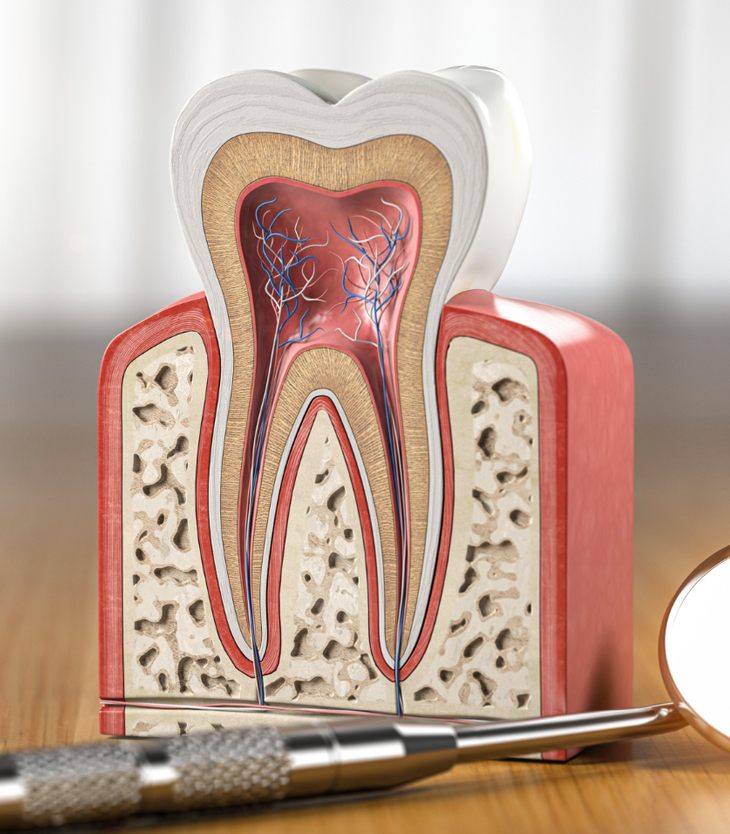
The structure of our teeth includes dental enamel, dentin, and pulp. Dental enamel forms the outer layer, while dentin is a softer layer beneath it. The pulp, which contains connective tissue, nerves, and blood vessels, is situated beneath the dentin. Normally, the pulp is well shielded by enamel and dentin. However, if bacteria manage to enter the area due to a deep cavity, fracture, or tooth injury, it can lead to an infection.
A tooth afflicted with infection often induces severe pain, and if neglected, the discomfort tends to endure and intensify. While tooth removal becomes an unavoidable option in such instances, it is never our primary preference. The absence of teeth can lead to diverse oral health complications, including bone loss and the displacement of neighboring teeth. Root canal treatment emerges as a viable solution, eradicating the infection, safeguarding natural teeth, and reinstating oral well-being. In contrast to tooth extraction, root canal treatment is less discomforting and entails shorter recovery periods.
Root Canal Treatment Signs
Please be mindful of the following signs that may indicate a tooth infection or abscess:
- I am enduring intense tooth pain.
- I am encountering discomfort or inflammation in my jaw.
- I am dealing with heightened tooth sensitivity.
- There is a gum bump resembling a pimple.
- My gums appear puffy, red, or swollen.
- I may be experiencing an unpleasant taste or smell in my mouth.
If you observe any of the mentioned indications and suspect a tooth infection, please contact our dental office in Asheville, NC immediately. An infected root canal requires prompt attention, not only for your comfort but also for the sake of your overall health, safety, and well-being.
What occurs during a root canal procedure?
Root canals can cause anxiety for some patients, but there is no need to be scared because it is not a frightening procedure. The utilization of anesthesia and advanced technology greatly improves patient comfort and overall results. Patients typically feel significant relief right after completing the procedure.
We assure you that we will make sure you are comfortable
If you suffer from dental anxiety, we have the perfect solution for you. Our oral sedation will ensure that you feel relaxed throughout your dental procedure. Additionally, we prioritize your comfort and well-being by offering neck pillows, blankets, and TVs in our treatment rooms.
Before beginning the procedure, our dentist will administer a potent local anesthetic to numb the tooth. This guarantees that you won't experience any discomfort throughout the treatment. If you arrived at our clinic in pain, you will feel instant relief once the tooth is numb!