
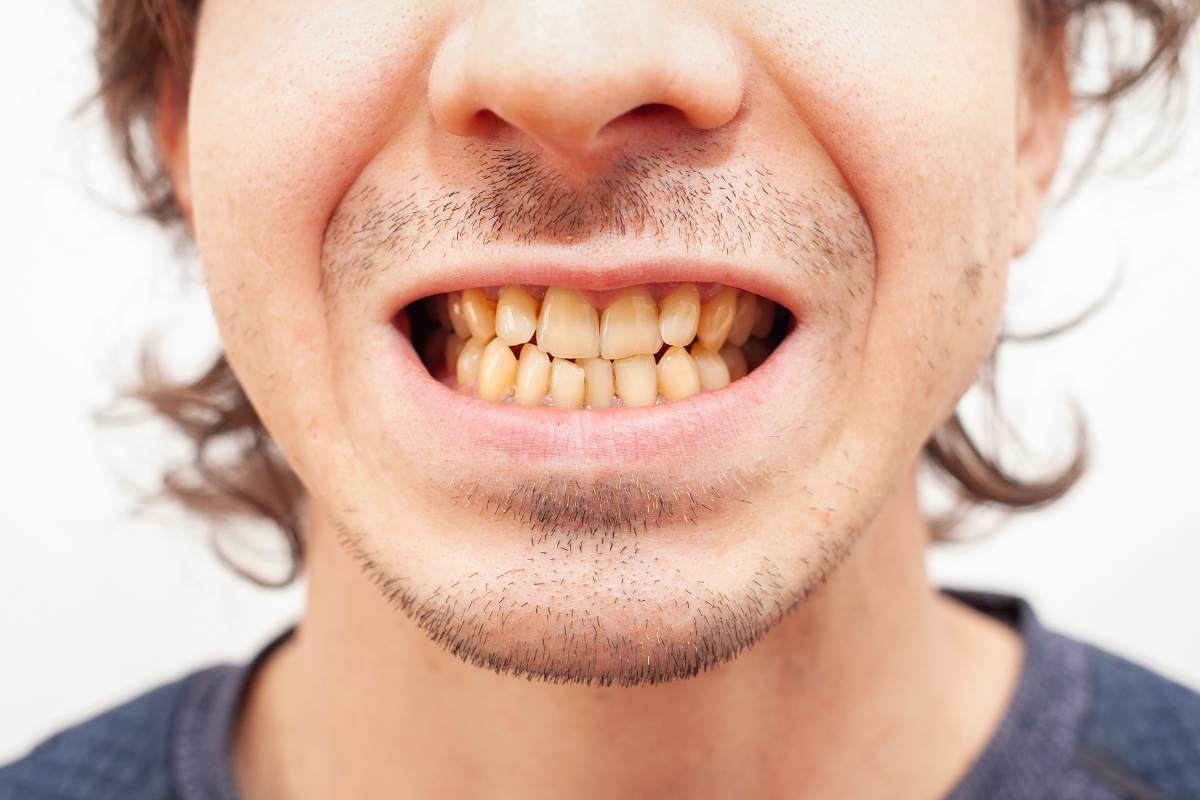
You brush your teeth morning and night, use toothpaste that promises a brighter smile, and don’t skip dental appointments. Yet when you look in the mirror, your teeth still appear yellow.
Does that mean your brushing routine isn’t working?
Not necessarily. Tooth color depends on several factors beyond daily oral hygiene, including enamel thickness, natural tooth structure, dietary habits, and aging.
At West Asheville Family Dentistry in Asheville, NC, patients concerned about tooth discoloration can explore the possible causes and discuss whether professional whitening or another cosmetic treatment may help.
For Asheville residents wondering why their teeth remain yellow despite consistent brushing, understanding the underlying cause is the first step toward a brighter smile.
Why Do Teeth Stay Yellow Even When You Brush Twice a Day?
Brushing removes plaque and helps prevent tooth decay and gum disease. However, it does not change every factor responsible for tooth color.
The outer layer of your teeth is enamel, which is naturally translucent.
Beneath the enamel is dentin, a tissue that typically appears yellowish.
When enamel is naturally thin or thins over time, more underlying dentin becomes visible.
This can make teeth appear yellow even when they are clean and healthy.
In other cases, stains accumulate on tooth surfaces, or discoloration develops within the tooth structure.
Identifying the type of discoloration helps determine the right treatment.
7 Reasons Your Teeth May Still Look Yellow
1. Your Natural Tooth Color Is Not Bright White
Not everyone naturally has the same tooth shade.
Genetics influence enamel characteristics and the appearance of underlying dentin.
Some people have naturally lighter teeth, while others have a warmer or more yellowish shade.
This difference does not necessarily indicate poor oral health.
A healthy smile doesn’t have to match the bright white look commonly seen in advertisements.
2. Coffee, Tea, and Other Drinks Cause Surface Stains
Coffee and tea contain compounds that can contribute to tooth staining.
Dark-colored beverages, including red wine and certain soft drinks, may also discolor enamel over time.
Even with regular brushing, repeated exposure can let stains accumulate.
Try rinsing your mouth with water after drinking stain-producing beverages.
Professional dental cleanings can remove many external stains that regular brushing may miss.
3. Your Enamel Is Becoming Thinner
Enamel can gradually wear down from aging, acid exposure, tooth grinding, and other factors.
As enamel becomes thinner, the yellowish dentin beneath it may become more noticeable.
Unlike surface stains, enamel loss cannot be reversed simply by using whitening toothpaste.
Your dentist may recommend preventive measures to reduce further wear and assess whether cosmetic treatment is appropriate.
4. Your Whitening Toothpaste Has Limitations
Whitening toothpaste typically removes certain surface stains.
Some formulas include additional whitening ingredients, but their ability to change natural tooth color is generally limited compared with peroxide-based whitening treatments.
Using more toothpaste or brushing aggressively will not necessarily make teeth whiter.
Excessive brushing pressure may contribute to gum recession and tooth wear.
Choose a fluoride toothpaste and use a soft-bristled toothbrush with gentle pressure.
5. Plaque and Tartar Are Affecting Your Smile
Plaque is a sticky bacterial film that forms continuously on teeth.
When plaque is not removed effectively, it can harden into tartar.
Tartar may appear yellow or brown and cannot be removed through ordinary brushing.
A professional dental cleaning can remove hardened deposits and certain external stains.
However, cleaning alone may not significantly change your teeth’s natural shade.
6. Previous Dental Trauma or Medication Has Changed Tooth Color
Some discoloration develops inside the tooth rather than on its surface.
Dental injuries can cause a tooth to become darker over time.
Certain medications, including tetracycline exposure during tooth development, can also affect tooth color.
These stains may respond differently to conventional whitening treatments.
A dentist can examine the discoloration and recommend an appropriate approach.
7. Aging Is Changing the Appearance of Your Teeth
Teeth often become darker or more yellow with age.
This can result from accumulated staining, enamel changes, and the natural appearance of dentin.
Although aging-related discoloration is common, sudden color changes in one tooth should be evaluated.
A single tooth that becomes gray, brown, or unusually dark may indicate an underlying dental concern.
Can Professional Teeth Whitening Remove Yellow Discoloration?
Professional teeth whitening can lighten many types of discoloration, particularly stains that respond to peroxide-based bleaching agents.
However, results depend on the original tooth shade, type of staining, and condition of the enamel.
Some patients may benefit from in-office whitening, while others prefer dentist-supervised take-home whitening trays.
At West Asheville Family Dentistry, patients can discuss available whitening treatments and whether their teeth and gums are suitable for the procedure.
Crowns, veneers, and tooth-colored fillings do not whiten like natural teeth.
Existing restorations may need to be considered when planning cosmetic treatment.
What Should You Do Before Trying Whitening Products?
Before purchasing another whitening product, consider scheduling a dental examination.
A dentist can determine whether the discoloration is caused by surface stains, enamel wear, decay, or changes within the tooth.
If you have untreated cavities, significant sensitivity, or inflamed gums, you may need to address these concerns before whitening.
Your dentist can also help establish realistic expectations about the shade improvement you might achieve.
This approach can reduce unnecessary product use and help you choose a treatment that addresses the actual cause.
How Can You Keep Your Teeth Looking Brighter?
A consistent oral hygiene routine helps protect your teeth and minimize staining from the outside.
Consider these habits:
- Brush twice daily for two minutes using fluoride toothpaste.
- Clean between your teeth once a day.
- Rinse with water after coffee, tea, and other stain-producing beverages.
- Limit frequent exposure to acidic drinks.
- Avoid tobacco products.
- Schedule professional dental cleanings at the intervals your dentist recommends.
If you drink something acidic, wait approximately 30 to 60 minutes before brushing to avoid scrubbing temporarily softened enamel.
Remember that whitening treatments are cosmetic. Healthy teeth and gums should remain the priority.
Discover What’s Behind Your Tooth Discoloration
Yellow teeth do not always indicate poor brushing habits. Understanding whether the discoloration comes from surface stains, enamel changes, or natural tooth structure can help you make an informed decision.
If you want to explore options for a brighter smile, contact West Asheville Family Dentistry at (828) 255-8676 to schedule a consultation and discuss your cosmetic dental goals.
Frequently Asked Questions
Why are my teeth yellow even though I brush twice daily?
Natural dentin color, thin enamel, aging, and internal discoloration can make teeth look yellow even with consistent brushing.
Can yellow teeth become white again?
Many types of discoloration respond to professional whitening. However, results vary, and some stains or structural changes require different cosmetic treatments.
Does brushing three times a day make teeth whiter?
Extra brushing doesn’t necessarily change natural tooth color. Excessive or aggressive brushing can wear down enamel and cause gum recession.
Is professional teeth whitening safe for sensitive teeth?
Whitening can cause temporary sensitivity. Our dentist can assess your teeth and recommend appropriate treatment methods or strategies to manage sensitivity.
How long do professional whitening results last?
Results vary based on dietary habits, tobacco use, oral hygiene, and the whitening method used. Periodic touch-ups may be appropriate.
Where can I explore teeth whitening options in Asheville?
Patients in West Asheville and surrounding neighborhoods can schedule a cosmetic dental consultation to discuss discoloration and available whitening options.

